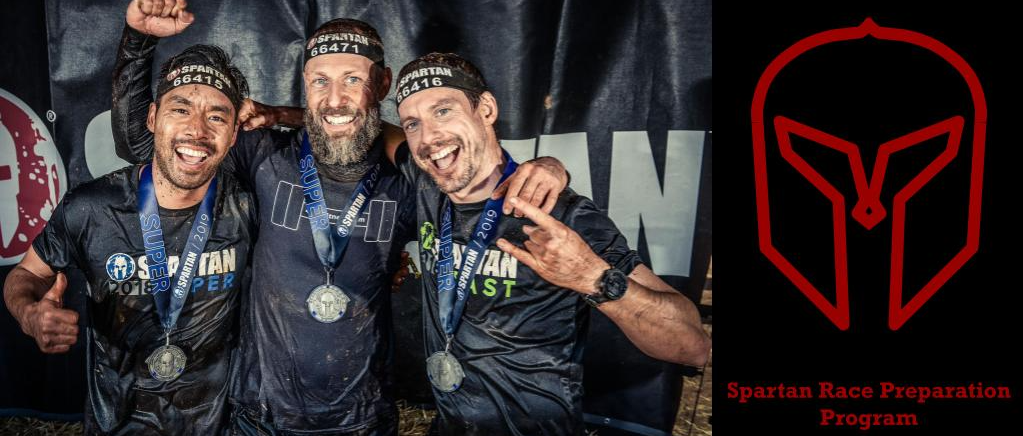
Challenges as Catalysts: How Signing Up for a Competition Unlocks Personal Growth
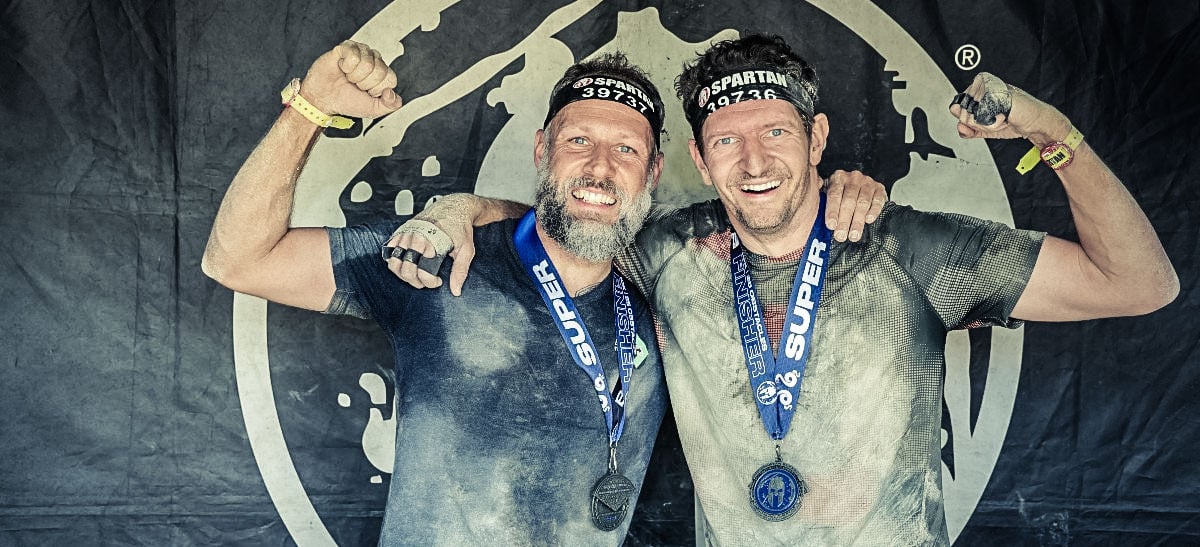
Growth doesn't happen in comfort zones.
It thrives in the arena of deliberate discomfort—where public commitments force you to show up, adapt, and evolve. Like signing up for a competition.
One of my favorite type of competitions are obstacle course races (OCR) like Spartan Races. These aren't just about physical but also a test of mental toughness. They are a profound lever for personal transformation. In the mud, walls, and fire jumps, you confront limits, build resilience, and reclaim a sense of freedom that spills into every corner of life. This is health as liberation, not drudgery.
I've lived this. Years ago, at the first time staring at the Spartan Race registration website felt like declaring war on my own excuses. What followed wasn't just a finish line—it was a rewiring of habits, mindset, and self-trust. And I've done it nine time since. If you're chasing deeper health and true freedom, public challenges like these are your secret weapon.
Let's explore why, and how to harness them.
The Psychology of Public Accountability
Humans are wired for social proof. When you announce a goal publicly—posting that race bib on social media or telling friends—you create a commitment loop that's hard to break. Psychologist Kelly McGonigal explains in her work on willpower that external accountability activates the brain's prefrontal cortex, turning vague intentions into non-negotiable actions.
In a Spartan Race context, this means shifting from "I should train" to "I told everyone I'd crush that wall." The pressure isn't shame.
It's fuel.
Studies from the American Psychological Association show public commitments increase follow-through by up to 65%. Suddenly, skipping a workout feels like letting down your future self—and your friends.
This isn't manipulation. It's evolutionary genius. Our ancestors survived by honoring tribe promises. Today, it propels you toward freedom: the kind where your body moves effortlessly, your mind sharpens, and regrets fade. More or less... Well, it's not that easy but it certainly helps motivation.
Physical Transformation Through Forced Consistency
Public challenges demand consistency, and consistency breeds significant physical change. Signing up for a Spartan Race—say, a 12K Super race with 20 or so obstacles—forces a training rhythm you might otherwise dodge. You build not just endurance, but functional strength: grip for monkey bars, core for carries, legs for hills.
The beauty?
Progress compounds. What starts as burpees in your garage evolves into hauling sandbags without breaking stride.
This mirrors life: small, repeated efforts forge unbreakable health. James Clear—the author of the Atomic Habits book— calls this the 1 Percent Rule.
A structured program accelerates this—providing workouts that mimic race demands, so you're not guessing. Training programs distills months of trial-and-error into a clear path, making the physical leap feel inevitable.
Health here isn't vanity metrics. It's freedom: the ability to hike mountains, play with kids, or dance through life without fatigue chaining you down.
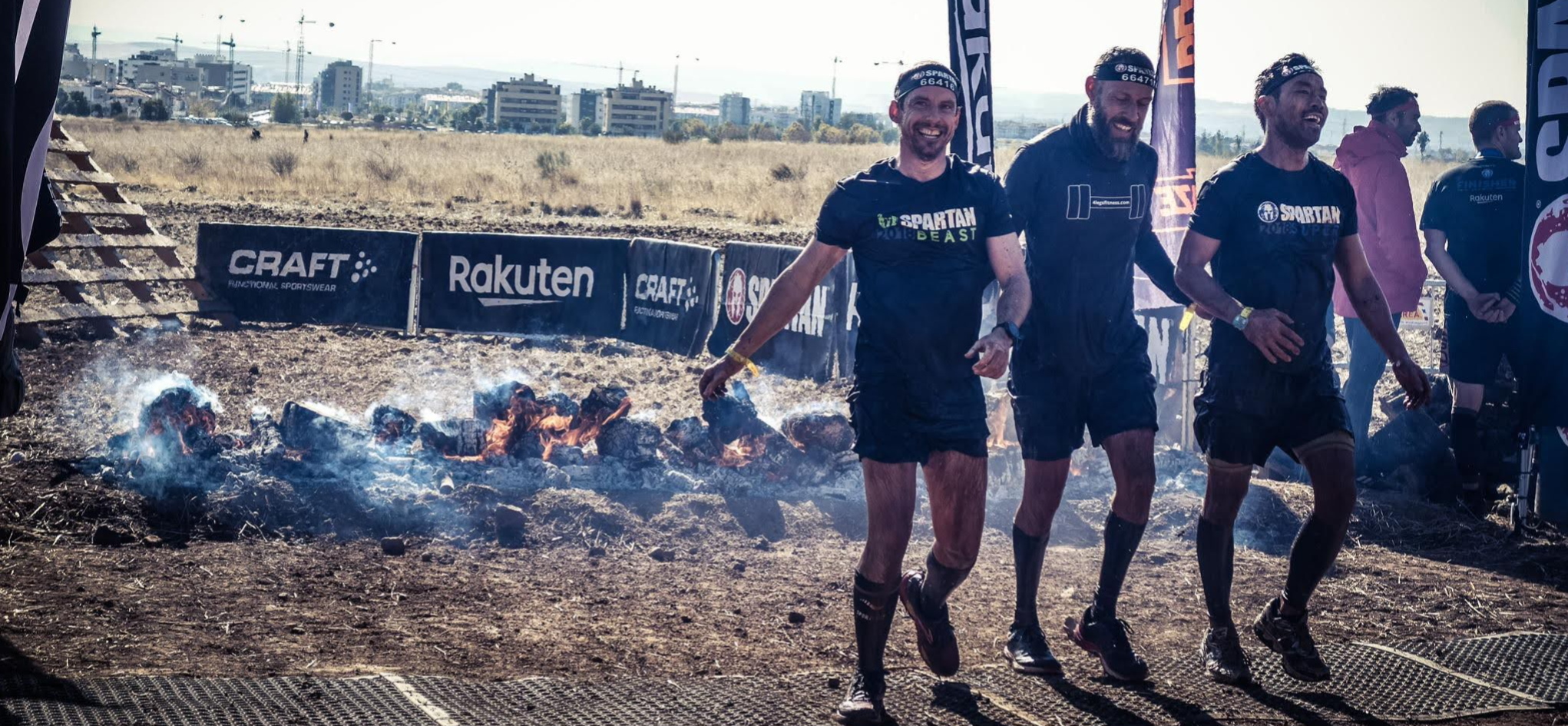
Mental Resilience: Failing Forward in the Mud
Obstacles teach what gyms can't: graceful failure. Spartan Races are designed for burpees—30 per failed obstacle. That first monkey bar slip? Humiliating, until it's not. Each penalty builds antifragility, as Nassim Taleb describes: systems that gain from disorder.
Publicly, this is gold. Friends see your "I did it!" post, but you know the unseen grit—the pre-dawn runs, the grip hangs until forearms screamed. This forges mental freedom: equanimity amid chaos. Personality research links challenge-seeking traits like novelty-seeking to higher life satisfaction through greater meaning and accomplishment. Repeated "impossible" wins recalibrate what's possible.
Leverage this by choosing races with progressive difficulty. Start with a Sprint, commit publicly, then level up. The growth? Exponential.
Breaking Bad Habits and Building Identity
Challenges dismantle inertia. That Netflix binge? Harder when your race is coming up. Public signup installs identity-level change: "I'm a Spartan racer" overrides "I'm too busy."
Neuroplasticity backs this—consistent action rewires neural pathways. A 12-week OCR prep isn't punishment. It's identity surgery. You emerge not just fitter, but freer from old stories. No more "I'm not athletic." Instead: "I conquer walls."
Subtly, this ties to holistic health. Better sleep, sharper focus, elevated mood—side effects of earned discipline. Programs that integrate mindset prompts amplify this, turning training into a freedom ritual.
Real-Life Stories
Rob Cressy's story is a great example of the motivating power of making a challenge public. He completed Andy Frisella's intense 75-day challenge (including daily workouts kinda like OCR demands). He shared how it built unbreakable discipline, transformed his business, and created a "bulletproof mindset" through public accountability on Instagram.
These aren't outliers. Stikk is an online platform that uses commitment contracts, financial stakes, and social accountability to help people achieve their personal goals. Their "Exercise & Fitness" community has 104k members and 433k successful reports.
Spartan communities offer a buzz with transformations: corporate climbers finding purpose, introverts building tribes. The race becomes a metaphor—crawling under barbed wire mirrors navigating life's messes. Finish strong, and freedom follows.
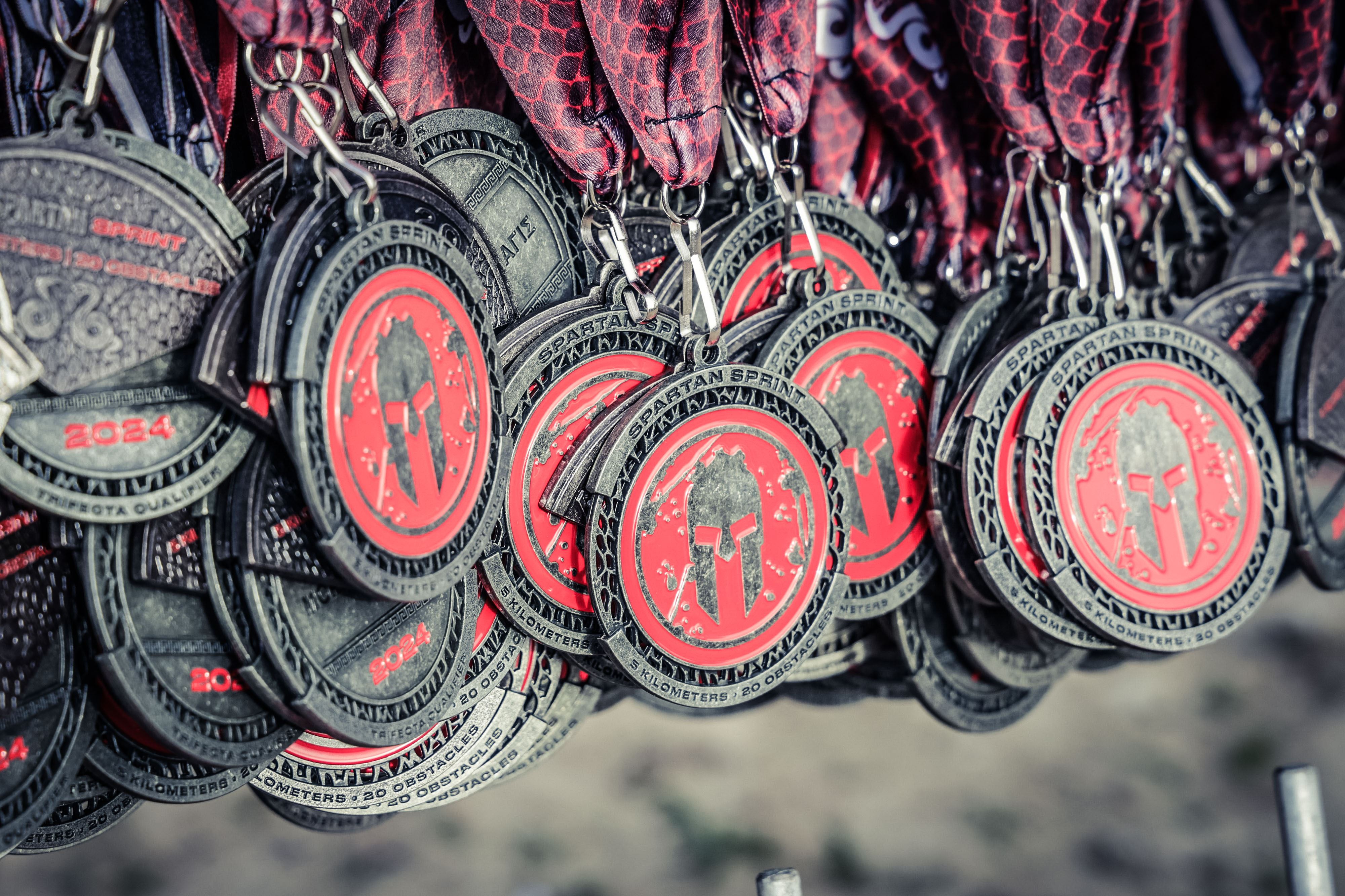
How to Leverage Challenges for Maximum Growth
Ready to harness this? Below I am summarizing a blueprint. I published a longer article that goes into way more details here The Optimal Spartan Race Training Plan.
1. Choose Boldly
Pick a race slightly beyond comfort—a Spartan Super if Sprints feel easy. Publicly commit via social, email list, or friends.
2. Build the System
Don't wing it. Use a proven prep structure with phased workouts, obstacle drills, and race-week tactics—making growth systematic, not stressful.
3. Amplify Accountability
Weekly check-ins, photos, or a training buddy. Share struggles; vulnerability bonds and motivates.
4. Perform and Enjoy
Make sure the race day is your peak day. Align everything for that day. This is your big moment to shine and reap all your wins for your future self.
5. Reflect and Iterate
Post-race, journal wins, fails, insights. Use them for the next challenge—a Beast, Ultra, or generally for life.
6. Sustain the Freedom
Races are sparks; habits are fire. Integrate your lessons learned in all areas—training, nutrition, mental—for lasting health.
The Ultimate Freedom: Owning Your Growth
Public challenges like Spartan Races aren't events; they're portals.
They strip illusions, demand evolution, and deliver health as true freedom—the unburdened joy of a strong body and unbreakable spirit. Nobody can take that away.
If this resonates, why not step in?
I am certified coach and based on my experience competing in many races I created the Spartan Race Preparation Program. It's a 3-month guided training program with several workouts per week, nutrition guides, obstacle guides, and habit and mental toughness forming workbooks. All for the price of less than a pizza.
Grab the program, announce your race. Watch excuses evaporate as growth takes hold. Your future self—mud-splattered, grinning at the finish—thanks you already.